学生が進行する授業のかたちA student-run class format
学生がチェア・タイムキーパー・書記などを担い、開会から閉会までを自分たちで取り仕切る。教員はアドバイザーや専門家として、その場に加わる。立命館大学の英語授業で生まれた授業スタイルです。 Students take on roles such as chair, timekeeper and minute taker, and run the session from opening to closing. Teachers join as advisors and experts. A class format developed in English courses at Ritsumeikan University.
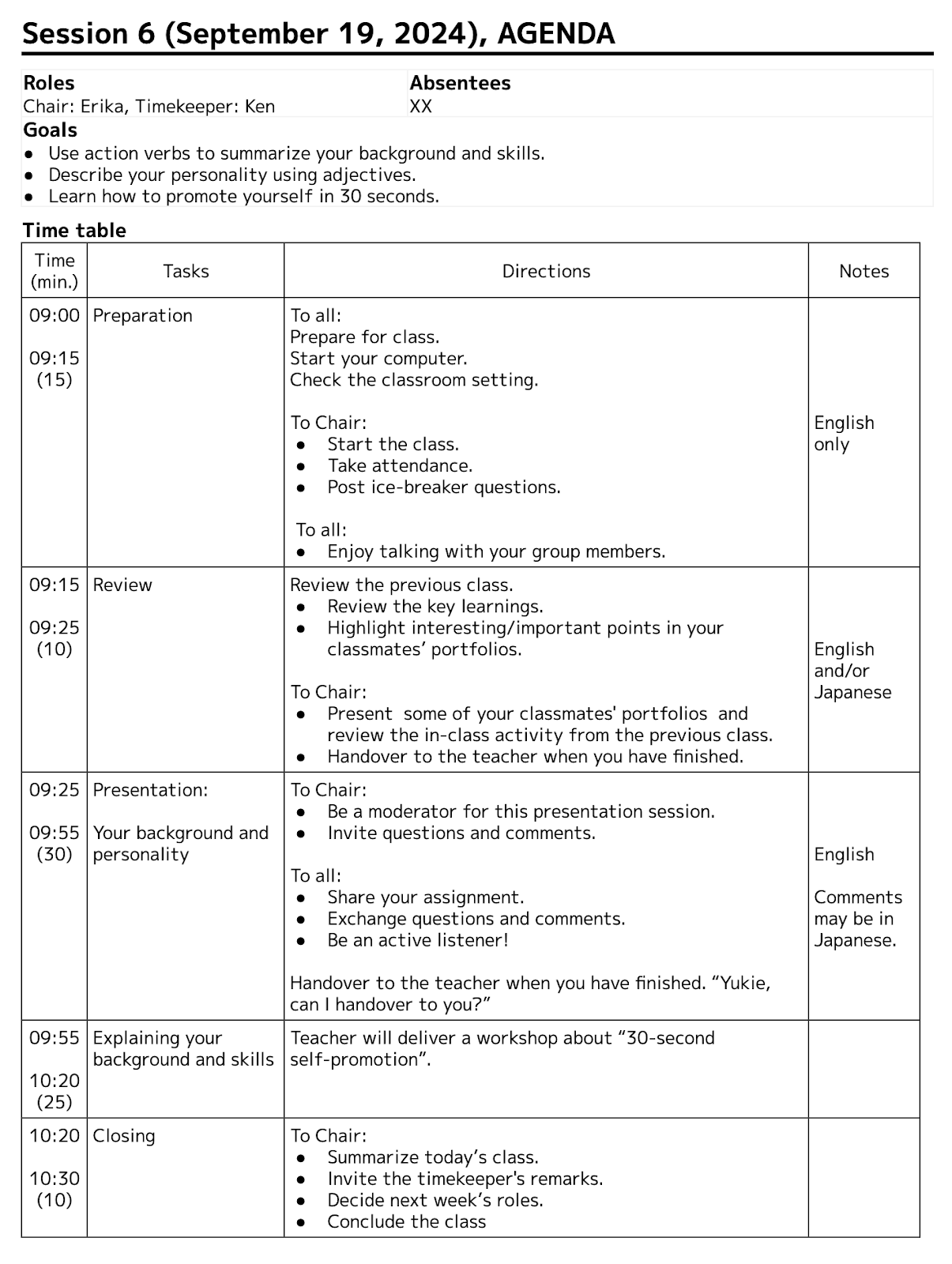
Chair: Erika Timekeeper: Ken Minutes: YuiChair: Erika · Timekeeper: Ken · Minutes: Yui
| 09:00 | Opening | チェアがミーティングを開始、本日のゴールなどを確認。タイムキーパーが時間配分を確認Chair opens the meeting and confirms today's goals. Timekeeper confirms the time allocation. |
| 09:05 | Review | 提出されたクラスメートの Portfolio からいくつかの要点を紹介。教員からコメントHighlights from classmates' submitted portfolios. Comments from the advisor. |
| 09:25 | Presentation | 3分ピッチ。チェアが Q&A を進行Three-minute pitches. Q&A led by the chair. |
| 10:00 | Planning | 次回のゴールに応じて Agenda を全員で作るDraft the next agenda together, based on the goals for the next session. |
| 10:20 | Closing | 書記が本日の要点と次回に向けた課題を説明。チェアが閉会Minute taker summarizes today's key points and the tasks for next time. Chair closes. |
※ Agenda の見本。テンプレートは教材にSample agenda. Template on the materials page.
Meeting-Style Classroom とはWhat it is
Meeting-Style Classroom は、授業をミーティング形式で行う授業スタイルです。学生はチェアやタイムキーパー、書記など、ミーティングに関わる役割を担当し、全員で協力してミーティング(授業)の開会から閉会までを取り仕切ります。教員はアドバイザーや専門家として授業に参加し、学生が主導するミーティングの中で必要な指導やアドバイスを行います。 Meeting-Style Classroom is a class style in which classroom activities are treated as activities in a meeting. Students take on the roles associated with meetings, such as chairperson, timekeeper and minute taker, and collaboratively conduct the meeting from start to finish. Teachers take part as advisors or experts, offering guidance and insight as the students lead.
学生主導で教員がファシリテーターを担う授業は増えてきました。けれど、教員の合図のもとでグループ活動をするのではなく、ファシリテーター役を含む主導権そのものを学生に譲り、学生がキュー(合図)を出す側になってこそ、本当のリーダーシップと、それを支える発信力が育つ——Meeting-Style Classroom は、その期待を込めて考案されました。 Student-centered classes in which the teacher acts as facilitator are increasingly common. Meeting-Style Classroom goes a step further: instead of the teacher prompting students to work in groups, the entire initiative, including the facilitator's role, is handed to the students, so that they become the ones who give the cues. This, we expect, is what genuinely nurtures leadership and the ability to be proactive.
教員は「アドバイザー」「専門家」としてミーティングに加わります。学生を見守りながらアドバイスやフィードバックを与えることもあれば、議論に積極的に参加し、専門家として講義をすることもあります。学生がリーダーである限り、教員の関わり方は自由です。 Teachers join the meeting as "advisors" or "experts". Sometimes they watch and offer feedback; sometimes they actively join the discussion and give a lecture as the expert in the room. As long as the students remain the leaders, the teacher's involvement can take any form.
Meeting-Style Classroom は、Wade (2009) の Leader Method に着想を得て考案されました。学生が交代でグループのチェアを務め、教員の関与を最小限にして授業全体を進め、教員はセッションのあとに建設的なフィードバックを与える、というビジネス・ミーティング型の授業モデルです。 Meeting-Style Classroom was inspired by the Leader Method (Wade, 2009), which "uses a business meeting model in which students take turns acting as group chair, and … conduct the whole lesson with minimal instructor involvement but with the instructor generally giving constructive feedback after the session" (Ward, Wade & Dowling, 2008).
Wade, L. (2009). Discussing the Leader Method. In A. M. Stoke (Ed.), JALT2008 Conference Proceedings. Tokyo: JALT.
Ward, D., Wade, L., & Dowling, A. (2008). Pushing the student-centered envelope: A corporate meeting-style approach. The Language Teacher, 32(9).
役割Roles
役割は毎回交代します。全員が一度はチェアを務め、ミーティングを回す側を経験します。Roles rotate every session, so that everyone chairs at least once and experiences running the meeting.
Agenda に従ってミーティングを開会し、議題を進め、閉会する。発言を促し、議論をまとめる。Opens the meeting, moves through the agenda, and closes it. Invites contributions and keeps the discussion on track.
時間配分に目を配り、声かけやベルで残り時間を知らせる。ミーティングを時間内に終わらせる要。Watches the time allocation and signals the group by voice or bell. The key to finishing on time.
決まったこと・出た意見・次回までの宿題を記録し、参加者と共有する。Records decisions, ideas and action items, and shares them with the participants.
アドバイザー・専門家として参加。Agenda をデザイン。ミーティングを見守り、助言し、必要なときは議論に加わって講義もする。ただし司会はしない。Joins as advisor and expert. Designs the agenda. Watches over the meeting, advises, and when needed joins the discussion or lectures. But never chairs.
進め方How a session works
授業の前Before
授業の中During
授業の後After
Agenda と Portfolio のテンプレートは 教材のページ からダウンロードできます。Templates for the agenda and the portfolio are on the materials page.
15週間の設計Designing the 15 weeks
セメスターの前半は、ミーティングを回す力(ファシリテーション)に力を入れます。それが自然にできるようになった頃から発表の技術を身につけ、後半は自分のメッセージが聴き手に届くよう、中身を磨きます。The first half of the term focuses on facilitation. Once participants are comfortable running the meeting, the focus shifts to presentation skills. In the second half, the emphasis is on polishing the contents so that each participant's message reaches the audience.
役割を体験し、ワークショップで学び、セッションを自分たちで企画する。Experience each role, learn in a workshop, and plan sessions on your own.
発表の基礎から、ゲストスピーカーとの中間発表、最終発表へ。From the basics, through a mid-term presentation with guest speakers, to the final.
テーマを決め、メッセージを育て、コンテンツを完成させる。Choose a theme, develop the message, and complete the contents.
教材Materials
Meeting-Style Classroom を支える3つの道具。テンプレートは自由にお使いください。Three tools that support Meeting-Style Classroom. The templates are free to use.
 01
参加者・目的・議題・時間配分。事前に共有し、チェアはこれに沿って進めます。Google ドキュメントのテンプレートあり。Participants, goals, items and time allocation. Shared in advance; the chair runs the meeting by it. Google Docs template available.
例とテンプレート →Example and template →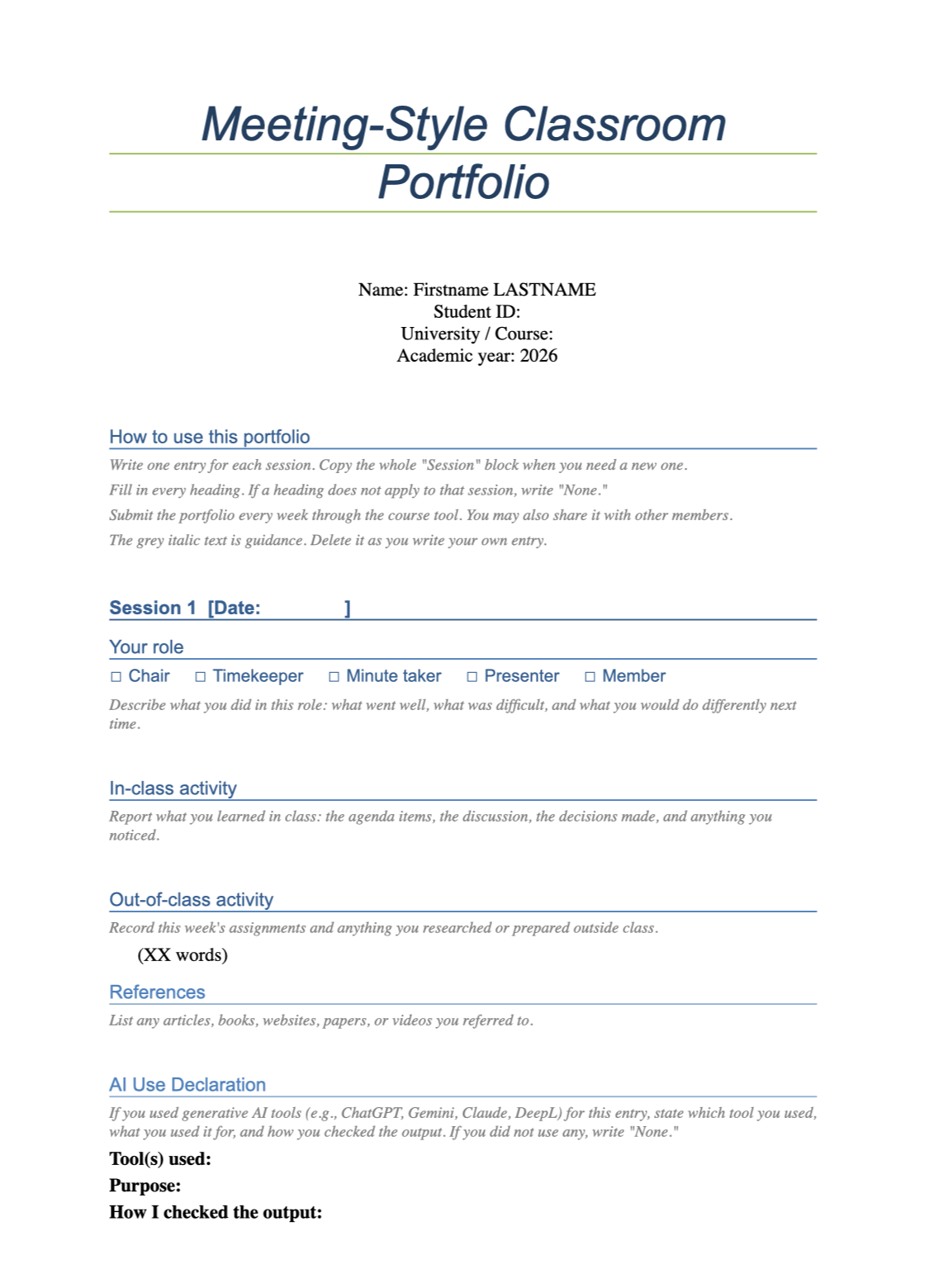 02
授業内の活動と気づき、授業外のリサーチと次週の発表内容を毎週まとめる。Word のテンプレートあり。A weekly record of in-class activities and insights, out-of-class research and next week's presentation. Word template available.
使い方とテンプレート →How to use and template →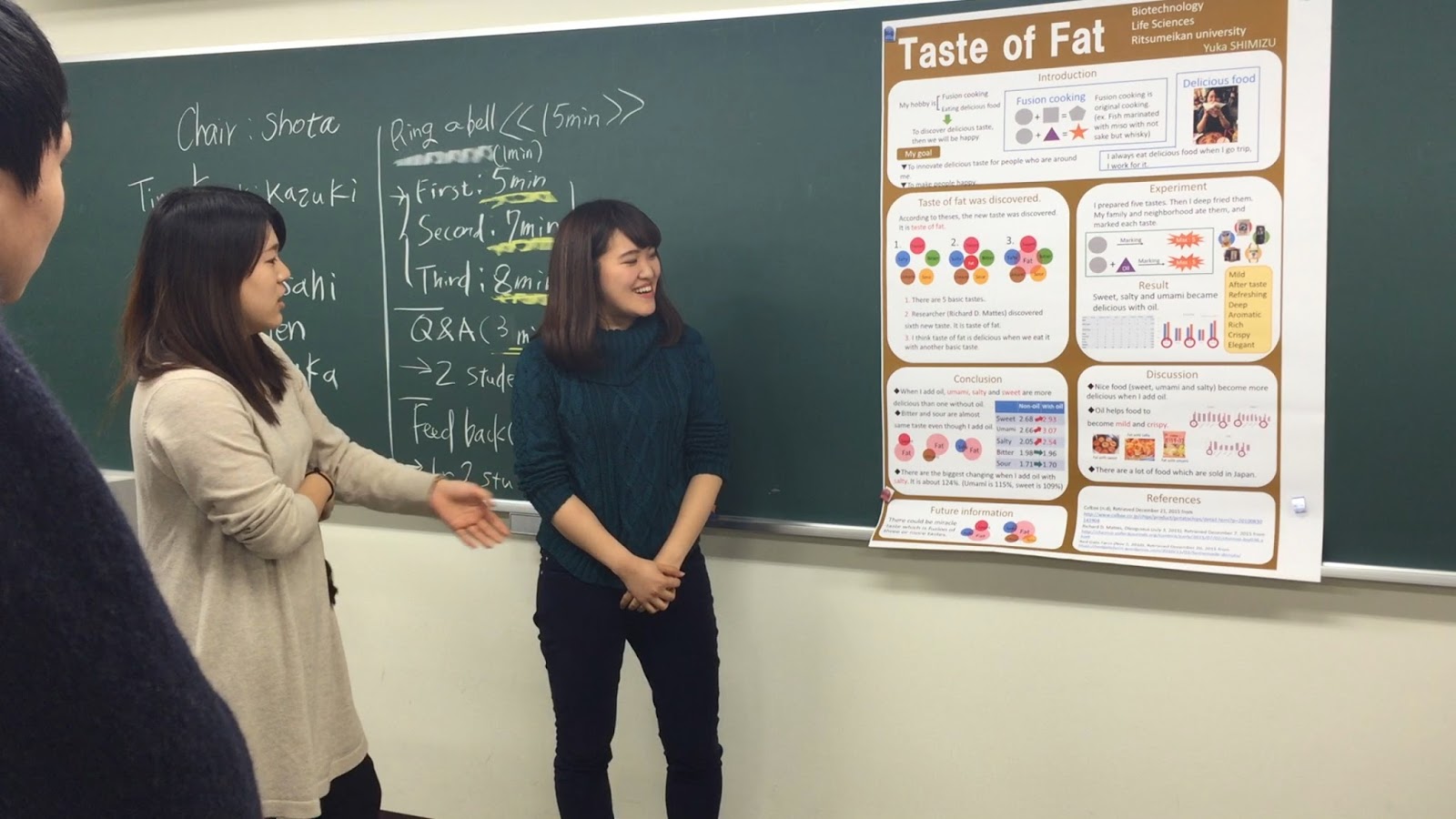 03
発表セッションやディスカッションで使うフレーズを Quizlet で公開。Moderator 用と Speaker 用。Useful phrases for presentation sessions and discussions, on Quizlet. Sets for moderators and for speakers.
Quizlet で見る →Open on Quizlet →授業例Class examples
立命館大学の教養ゼミナール、プロジェクト発信型英語プログラムの一部、ビジネス英語などの授業に Meeting-Style Classroom を導入しています。Meeting-Style Classroom has been used in the Liberal Arts Seminar, parts of the Project-based English Program, and Business English courses at Ritsumeikan University.
 2023
英語で自分を売り込む。スローガンづくり、30秒ピッチ、英語の履歴書、面接練習、そして自分たちで企画する発表会まで、15週間。Promote yourself in English: a slogan, a 30-second pitch, an English CV, interview practice, and a presentation event the students plan themselves. 15 weeks.
15週間の流れを見る →See the 15 weeks →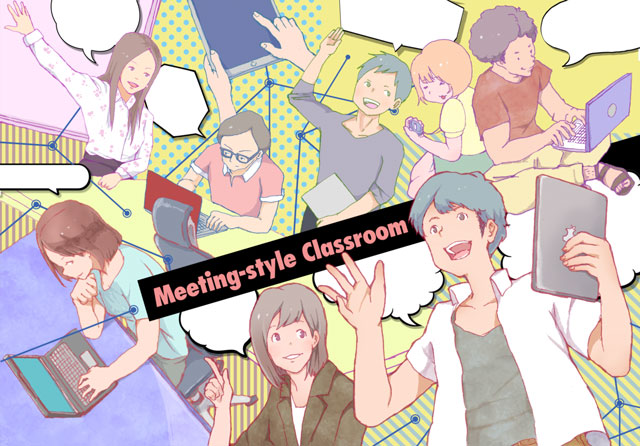 2015
「自分が人より少し得意なこと」を追求し、英語で発信する。ファシリテーター・ワークショップ、ゲストスピーカー、最終発表まで15セッション。Find what you are a little better at than others, and present it in English. A facilitator workshop, guest speakers and a final presentation over 15 sessions.
15セッションの流れを見る →See the 15 sessions →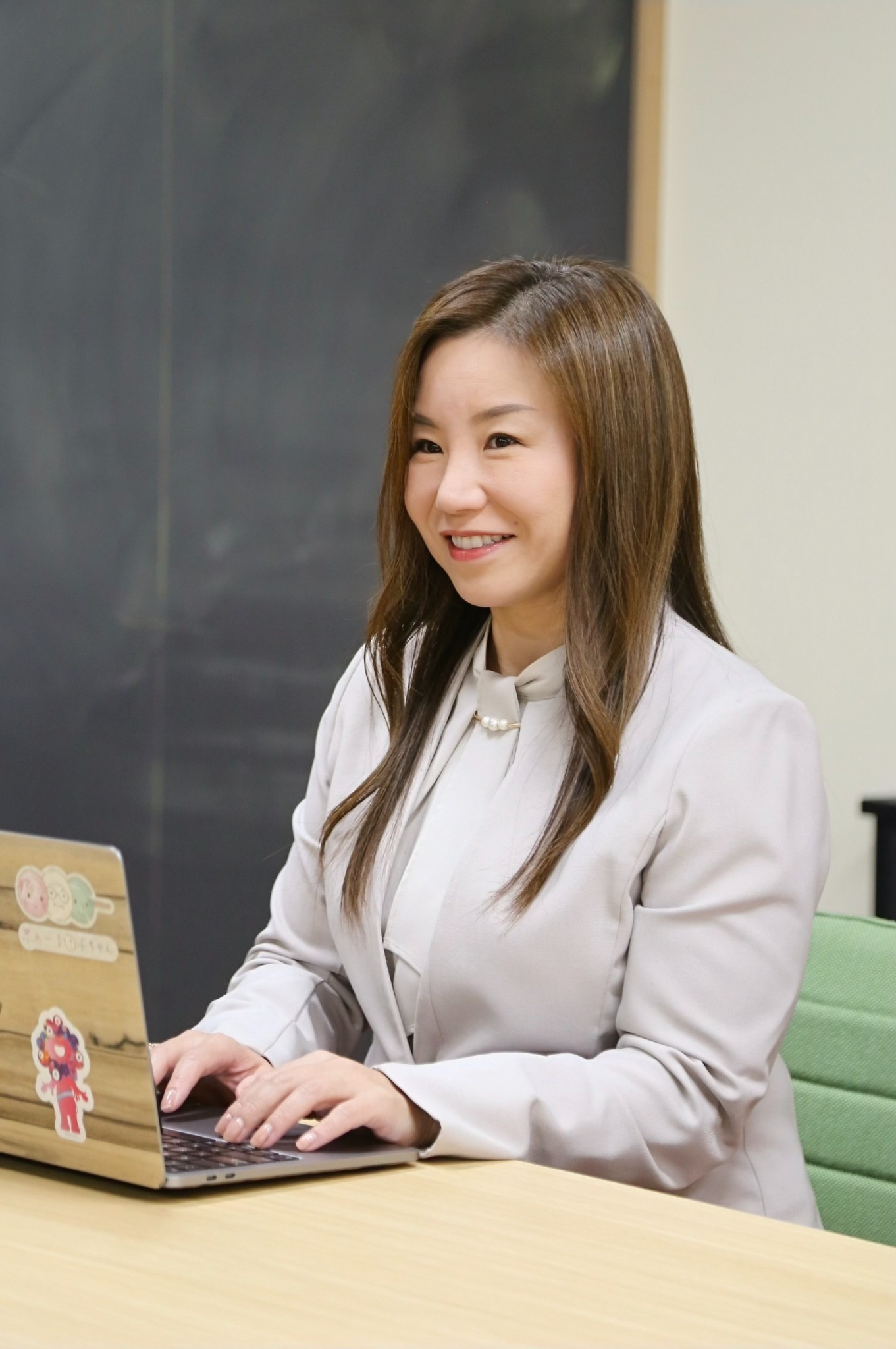
考案者・講師Creator and instructor
近藤 雪絵Yukie Kondo
立命館大学 薬学部 教授Professor, College of Pharmaceutical Sciences, Ritsumeikan University
英語教育とテクノロジーを専門に、薬学・生命科学の学生の英語発信を支えています。Meeting-Style Classroom のほか、YouTube での英語学習動画、英語でのビブリオバトルなども行っています。何かにピンと来た方は、気軽に声をかけてください。言語や教育にかかわらず、一緒に面白いことをしましょう。 Specializing in English education and technology, Yukie supports students in pharmaceutical and life sciences in presenting their work in English. Besides Meeting-Style Classroom, she runs a YouTube channel of English-learning videos and English Bibliobattles. If something here resonates with you, please get in touch. Let's do something interesting together, whether it is about language and education or not.
 Meeting-Style Classroom